
Switching business phone providers can be a smart move when you’re looking for better service, lower costs, or more advanced communication features. But for many business owners, one concern stands out: Can I change phone providers without losing my business phone number?
The good news is that, in most cases, you can.
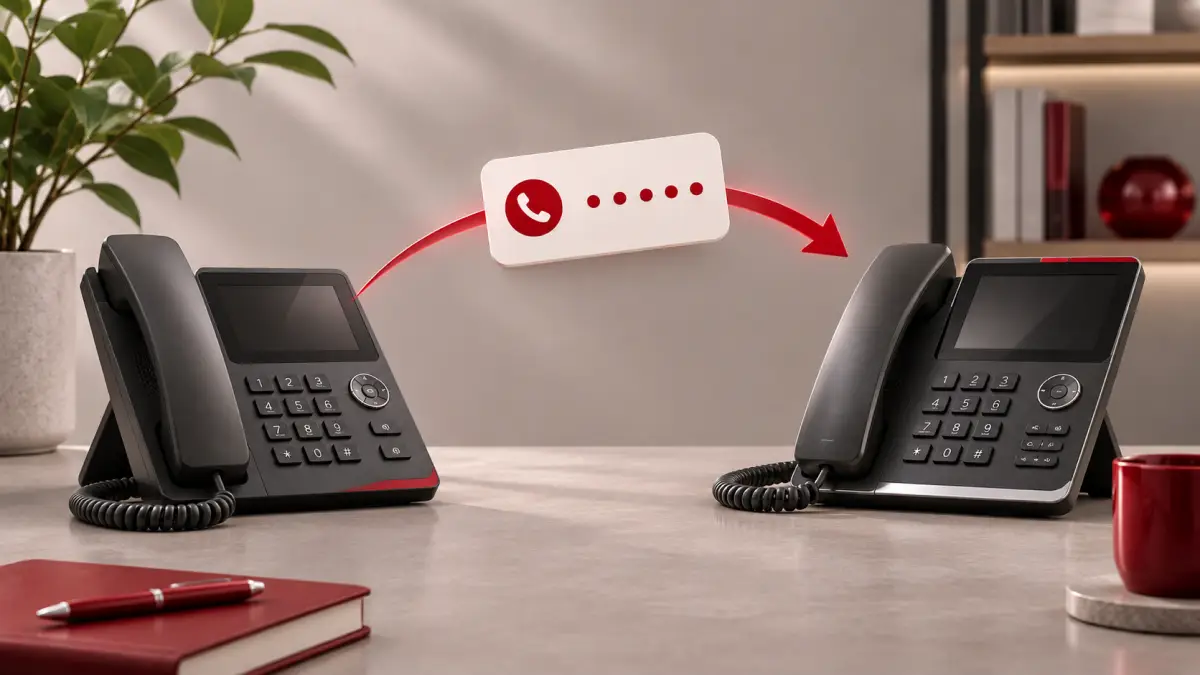
Thanks to a process called phone number porting, businesses can transfer their existing phone numbers to a new service provider without having to update their contact information everywhere.
With the right preparation and a reliable business phone provider, switching can be a straightforward process that minimizes disruptions and keeps your customers connected.
This guide explains how business number porting works, how long it takes, and the steps you can follow to make the transition as smooth as possible.
What Is Business Phone Number Porting?
Phone number porting is the process of transferring an existing telephone number from one service provider to another while keeping the same number.
Instead of getting a new business phone number when you change providers, porting allows you to continue using the number your customers already know.
For example, a small business that has used the same telephone number for 15 years may decide to replace its traditional landline system with a modern cloud-based VoIP solution.
Rather than notifying every customer about a new number, the business can request to transfer its existing number to the new provider.
The Federal Communications Commission (FCC) allows customers to retain eligible telephone numbers when changing providers within the same geographic area. This includes transfers between traditional landline, wireless, and IP-based phone services.
Porting helps businesses maintain continuity, preserve brand recognition, and avoid the inconvenience of changing established contact information.
Can You Keep Your Business Phone Number When Switching Providers?
In most situations, yes. However, number portability depends on several factors.
Before switching providers, it’s important to confirm that your existing number can be transferred to the new service.
Eligibility may depend on:
- Geographic availability: Your new provider must be able to support the number in its applicable service area.
- Number type: Local, toll-free, mobile, and VoIP numbers may have different transfer requirements.
- Carrier compatibility: The new provider must have the necessary carrier coverage and technical capabilities.
- Account information: Your current account details must be accurate and available for verification.
- Number status: Active numbers are generally easier to transfer than numbers associated with canceled or disconnected accounts.
A qualified business phone provider can check your number’s portability before beginning the transfer.
This is one of the most important first steps because it allows you to identify potential complications before making changes to your existing service.
How to Switch Business Phone Providers in 7 Steps (and Keep Your Number)
Changing business phone providers doesn’t have to be complicated. Following these seven steps can help you transfer your number while reducing the risk of service interruptions.
Step 1: Review Your Current Phone Service
Start by evaluating your existing business phone system.
Review your current monthly phone bill, service agreement, and communication requirements.
This information helps you determine what your business needs from a new provider.
It’s also an opportunity to identify unnecessary expenses or features that your existing system may be missing.
If you’re moving from a landline to VoIP, this is also the time to confirm your internet connection can handle VoIP calls for every employee who will be on the phone at the same time.
Step 2: Gather Your Account Information
Before initiating a transfer, collect the information associated with your existing telephone service.
Your new provider will typically need several details to verify ownership and authorize the number transfer.
Some providers require a Customer Service Record (CSR), which lists important account details associated with your telephone numbers.
You may also be asked to sign a Letter of Authorization (LOA), which gives the new provider permission to request the transfer.
Make sure the business name, account number, and service address match your current provider’s records. Even small discrepancies can cause delays.
Step 3: Choose Your New Business Phone Provider
Not all business phone providers offer the same services, features, or level of support.
Before making the switch, compare providers based on your company’s current needs and future growth plans (our guide on how to compare VoIP providers walks through what to look for).
Important considerations include service reliability, call quality, transparent pricing, technical support, and the ability to add employees or locations.
Many small businesses are moving to cloud-based VoIP phone systems because they offer features that go beyond traditional telephone service. If you’re unsure which setup fits, start by deciding between hosted, on-premise, or hybrid phone systems.
With VoIP, businesses can take advantage of mobile applications, automated call routing, voicemail management, and centralized system administration. See the full list of VoIP phone features available with Absolute Voice.
Our team can help evaluate your existing phone setup and recommend solutions that fit your daily operations.
Step 4: Request the Number Transfer
Once you’ve selected a new provider and confirmed your number is eligible, the next step is to initiate the porting request.
Your new phone provider will typically coordinate the transfer with your current carrier.
The new provider submits the necessary documentation and works with the existing carrier to arrange the transfer.
If the request is approved, a transfer date or activation window is established.
Important: Do not cancel your existing phone service at this stage.
Your current service should remain active until the number transfer is complete and the new system has been tested.
Step 5: Prepare Your New Phone System
While the number transfer is being processed, your new phone provider can begin preparing your replacement system.
For a cloud-based VoIP solution, this may involve configuring IP desk phones, installing mobile applications, setting up employee extensions, and establishing call routing preferences (here’s how Absolute Voice handles users, extensions, and call features).
Before the transfer date, review how incoming calls should be handled.
For example, you may want calls to ring at the front desk first, transfer to a department if unanswered, or forward to a mobile device outside regular business hours.
Preparing these settings in advance helps ensure the new system is ready when your phone number moves over.
If available, test the new setup using temporary numbers before activating your existing business number.
Step 6: Complete the Number Port and Test Your Calls
On the scheduled transfer date, your phone number is moved from your existing provider to the new service.
Your new provider should help coordinate the transition and confirm when the number is active.
Although a well-planned transfer can minimize disruption, brief periods of inconsistent call routing or service interruptions are possible.
Once the transfer is complete, test the system thoroughly.
If your business uses fax lines, toll-free numbers, or other specialized services, verify those connections separately.
Testing is essential to confirm that customers can reach your business as expected.
Step 7: Confirm Completion and Close Out Your Previous Service
Once your business number has successfully transferred and you’ve confirmed that everything is working, review your previous service agreement.
Some providers automatically discontinue the specific phone service associated with a transferred number. Others may leave certain account services, equipment leases, or subscriptions active.
Contact your former provider to verify which services have ended and whether any additional cancellation steps are required.
Keep copies of your final invoices and confirmation records.
Also review your next billing statements to ensure you’re not being charged for services you no longer need.
How Long Does Business Phone Number Porting Take?
One of the most common questions businesses ask is how long it takes to transfer an existing phone number.
The answer depends on the complexity of the transfer, the carriers involved, and whether the required documentation is accurate.
Under FCC rules, qualifying simple number ports generally have a one-business-day carrier processing interval once a complete and accurate request is submitted. More complex wireline ports are subject to a four-business-day interval under applicable rules.
However, the entire business phone migration can take longer when equipment setup, account verification, scheduling, or multiple phone numbers are involved.
For example, some providers estimate that standard business porting projects may take approximately 5 to 15 days, while larger or more complicated requests can require several weeks.
| Porting situation | Planning expectations |
|---|---|
| Simple, eligible number transfer | Carrier processing may take one business day |
| Complex business number transfer | Several business days or longer |
| Multiple phone numbers or locations | Additional coordination and setup time |
| Incomplete or mismatched information | Delays until issues are resolved |
These are general expectations, not guaranteed completion times. Your new provider should confirm a realistic schedule based on your specific transfer.
For businesses that rely heavily on incoming calls, planning the activation outside peak calling hours may help minimize disruption.
Common Mistakes That Can Delay Number Porting
Most number transfers are manageable with the right preparation. However, a few common mistakes can create unnecessary complications.
Canceling Your Existing Service Too Early
This is one of the most important mistakes to avoid.
Canceling your existing telephone service before porting is complete can make transferring the number more difficult and may put the number at risk of being lost.
The FCC advises customers to keep their existing service active and initiate the transfer through the new provider.
Providing Incorrect Account Information
Mismatched business names, billing addresses, account numbers, or authorization details are common reasons for rejected porting requests.
Requesting your CSR and confirming the information before submitting the transfer can help prevent delays.
Forgetting About Additional Telephone Numbers
Some businesses have more phone numbers than they realize.
These may include fax numbers, direct employee lines, toll-free numbers, or numbers connected to other business systems.
Make a complete inventory before switching providers.
Overlooking Existing Contracts
Switching providers does not necessarily eliminate obligations under an existing service contract.
Review early termination fees, equipment leases, and outstanding balances before completing your transition.
Failing to Test the New System
Even after a successful port, call routing and other settings may need attention.
Testing incoming calls, outgoing calls, voicemail, and emergency calling helps ensure the new phone system is working correctly.
Not Planning for Temporary Service Disruptions
Although providers work to coordinate the transition, businesses should have a backup communication plan.
Consider having alternative contact numbers available internally and coordinating with your new provider about temporary forwarding options, where supported.
How to Avoid Business Phone Downtime During the Switch
Maintaining communication throughout the transition should be a priority.
A little preparation can help prevent missed calls and unnecessary frustration.
Before the Switch
Confirm portability, verify account information, configure the new system, and establish a backup calling plan.
During the Switch
Keep your existing service active, stay in contact with your new provider, and monitor the transfer.
After the Switch
Test incoming and outgoing calls, confirm all features work, and verify that previous services have been properly closed.
Working with a provider that offers installation assistance and responsive technical support can make the entire process easier. And once you’re live, it’s worth knowing how VoIP holds up during power outages and Texas storms so your backup plan covers more than porting day.
Why Small Businesses Are Switching to VoIP
Keeping your existing business phone number is just one benefit of moving to a modern VoIP phone system.
Traditional business phone services may have limited features, aging equipment, and additional costs associated with maintaining older infrastructure.
A cloud-based VoIP solution can help businesses simplify communication while providing more flexibility.
With a managed VoIP system, employees can often answer business calls from their desks, mobile devices, or remote locations. (Not sure whether managed or self-service is right for you? Compare managed VoIP vs. DIY VoIP.)
Features such as auto attendants, call forwarding, visual voicemail, and centralized management can also help businesses handle calls more efficiently.
For growing companies, adding users or changing call routing can be easier than expanding a traditional phone system.
The result is a communication solution that can grow alongside your business without requiring you to abandon the phone number your customers already recognize.
Make the Switch Easier With Absolute Voice
Changing business phone providers shouldn’t mean starting over with a new phone number or disrupting your daily operations.
At Absolute Voice, we understand how important dependable communication is for small businesses across San Antonio, Austin, Houston, and Corpus Christi.
Our managed VoIP phone systems are designed to provide clear, reliable communication with modern features, flexible solutions, and 24/7 service and support.
Whether you’re replacing an outdated landline system, upgrading an existing VoIP service, or expanding your business, our team can help you explore your options and plan your transition.
We also offer a free, no-obligation cost analysis to help you compare your current phone expenses and determine whether a new system could provide better value.
Ready to Switch Business Phone Providers?
You don’t have to sacrifice the business phone number your customers already know to enjoy better communication.
Contact Absolute Voice today to explore your phone system options and find out how we can help make the switch simple.
Call 210-892-3600 or visit absolutevoice.net to request a free consultation.
Frequently Asked Questions About Switching Business Phone Providers
Can I switch business phone providers and keep the same number?
Yes. Most eligible business telephone numbers can be transferred between providers through number porting. Your new provider can help confirm eligibility and coordinate the process.
Can I transfer my landline number to a VoIP provider?
Yes, in many cases. Businesses can transfer eligible traditional landline numbers to VoIP services as long as the new provider supports the number and applicable geographic requirements are met.
Will my business phone service be interrupted during porting?
A properly coordinated transfer can minimize service interruptions, but uninterrupted service cannot be guaranteed. Brief disruptions or inconsistent routing may occur during the transition. Preparing the new system and having a backup communication plan can help reduce the impact.
Should I cancel my old phone service before transferring my number?
No. Keep your existing telephone service active until your phone number has successfully transferred and you’ve tested the new system. Canceling service too early can complicate the transfer and put your number at risk.
How much does it cost to transfer a business phone number?
Porting costs vary by provider. Some providers include number transfers with new service, while others charge a fee. Ask about any porting, installation, equipment, or account setup costs before switching.
What happens if my business phone number cannot be ported?
If the new provider cannot support your existing number, ask about alternative options. Depending on your situation, these may include choosing a different provider, retaining service with your existing carrier, or implementing call forwarding while transitioning to a new business number.
Do I need to contact my current provider to port my number?
Your new provider typically initiates and coordinates the transfer. However, you may need to contact your current provider to obtain account information, request a Customer Service Record, or resolve discrepancies. Do not request cancellation before the port is completed.
Can I transfer multiple business phone numbers at once?
Yes. Many providers support transferring multiple numbers, including direct lines and toll-free numbers. Larger transfers may require additional documentation and coordination to ensure every number is moved correctly.
Can my current provider refuse to release my number?
Under applicable FCC number portability rules, a provider generally cannot refuse an eligible transfer simply because you have an outstanding bill or termination fee. However, existing contractual payment obligations may still apply, and accurate authorization information is required.
What happens to my voicemail messages when I switch providers?
Voicemail messages and greetings generally do not transfer automatically between phone systems. Before switching, save important messages, record any greetings you want to preserve, and configure voicemail on the new system.
Can I still use my existing business phones after switching?
It depends on the equipment and the new provider’s compatibility requirements. Some IP desk phones can be reused or reconfigured, while others may need replacement. Traditional analog phones may require compatible adapters. Ask your new provider to evaluate your current equipment before purchasing new devices. Once you’re set up, our video tutorials walk your team through everyday phone tasks.